Evergreen Comfrey crowns – Symphytum grandiflorum
$10.00
Creeping Ground Cover | Knitbone Herb | Pollinator Friendly
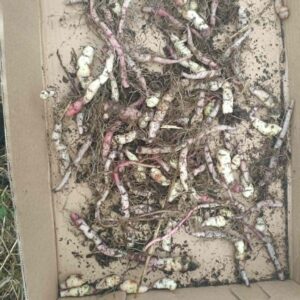
This is for one well rooted growth tip/young plant. Available year Autumn till Spring or until sold out. Plant as soon as you receive it.
Beautiful Low-Growing Comfrey for Your Garden
Add reliable evergreen ground cover and traditional herbal value with Evergreen Dwarf Comfrey (also known as Creeping Comfrey or Large-Flowered Comfrey).
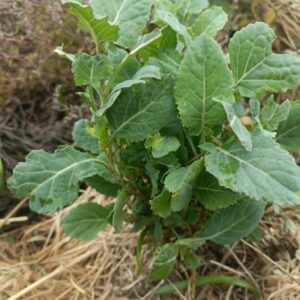
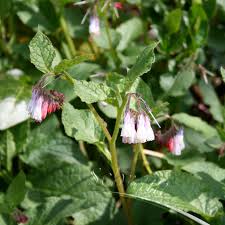
This compact variety forms a dense, spreading mat of dark green, hairy foliage topped with charming clusters of pinkish-white to pale red tubular flowers in spring and early summer. Unlike tall common comfrey, this dwarf type stays low and tidy, making it ideal for woodland gardens, shady borders, under trees, or as a living mulch in food forests and orchards.
Out of stock
Description
Traditional & Medicinal Uses
Like its taller relatives, Dwarf Comfrey has a long history as a healing herb:
- Wound & Bone Healing: Famously called “Knitbone” for its ability to support the healing of bruises, sprains, fractures, and minor wounds when used externally.
- Anti-inflammatory: Leaves and roots contain allantoin, which promotes cell regeneration and tissue repair. Traditionally used in poultices, salves, and compresses for joint pain, muscle strains, and skin irritations.
- Garden & Soil Benefits: A powerful dynamic accumulator — deep roots mine minerals and bring them to the surface. Leaves make excellent nutrient-rich mulch, compost activator, or liquid fertiliser (high in potassium, nitrogen, and phosphorus).
- Other Uses: Leaves can be used sparingly in herbal teas or skin preparations (external use only).
Important Safety Note: Comfrey contains pyrrolizidine alkaloids. Do not ingest or use on open wounds. Always consult a qualified herbalist or healthcare provider before medicinal use. Best suited for topical applications.
Why Grow Evergreen Dwarf Comfrey?
- Excellent evergreen ground cover for shady or tricky spots
- Suppresses weeds and retains soil moisture
- Highly attractive to bees and pollinators
- Deer resistant and low-maintenance
- Slower spreading than tall comfreys — easier to manage
- Perfect for permaculture, edible landscapes, and wildlife gardens
- Hardy in cooler climates
Ideal for New Zealand: Thrives in moist, temperate conditions and handles light frost well.
How to Grow Evergreen Dwarf Comfrey Crowns
Planting:
- Plant crowns in spring or autumn.
- Set crowns just below soil level, spacing 30–45 cm (12–18 inches) apart.
- Water well after planting to help establish.
Soil & Care:
- Prefers moist, fertile, well-drained soil but adapts to clay or loam.
- Full sun to partial shade (ideal for shady areas where other plants struggle).
- Mulch around plants to retain moisture.
- Very low maintenance — drought tolerant once established but appreciates consistent moisture.
Growth & Harvest:
- Height: 30–45 cm (12–18 inches)
- Spread: 45–75 cm (18–30 inches) or more over time via rhizomes
- Blooms: Spring to early summer (creamy white/pale yellow flowers)
- Harvest leaves throughout the growing season for mulch or fertiliser tea. Roots can be divided or harvested in autumn for medicinal use.
- Divide every few years if it becomes too crowded.
This tough, forgiving perennial is one of the easiest ground covers you’ll grow — perfect for beginners and experienced gardeners.